



You left your iPhone somewhere.
It slipped between the sofa cushions.
Maybe someone walked off with it. Your stomach drops.
You have seconds before panic sets in — and that’s exactly when iCloud Find My iPhone becomes the most important app you’ve ever used.
This guide covers everything: how to set it up, how to use icloud.com Find My from any browser, what to do when your phone appears offline, and every fix when things go sideways.
Let’s get your iPhone back.
Short Story
Why iCloud Find My iPhone Is Your Most Important Security Tool
Most people treat Find My like a spare tire: they know it exists, but they never think about it until they desperately need it.
That’s a costly mistake.

According to the Consumer Security Alliance, a smartphone is stolen in the United States every 3.5 seconds.
iPhones are the single most targeted device.
Without Find My enabled, a lost iPhone is essentially gone — its data is accessible, its resale value is intact for a thief, and your photos, bank apps, and personal messages are vulnerable.
iCloud Find My iPhone solves three distinct problems at once:
This isn’t just a “nice feature.” It’s the single strongest theft deterrent Apple has ever built.
Apple’s own support.apple.com restore documentation confirms that an iPhone with Activation Lock enabled cannot be restored or reactivated without your Apple ID credentials — making it worthless on the secondhand market for any thief.
How Find My iPhone Actually Works: A Simple Analogy
Think of Find My like a digital version of those GPS trackers people put on their cars.
Your iPhone constantly “checks in” — broadcasting its location to Apple’s servers through whichever connection is available: Wi-Fi, cellular, or Bluetooth.
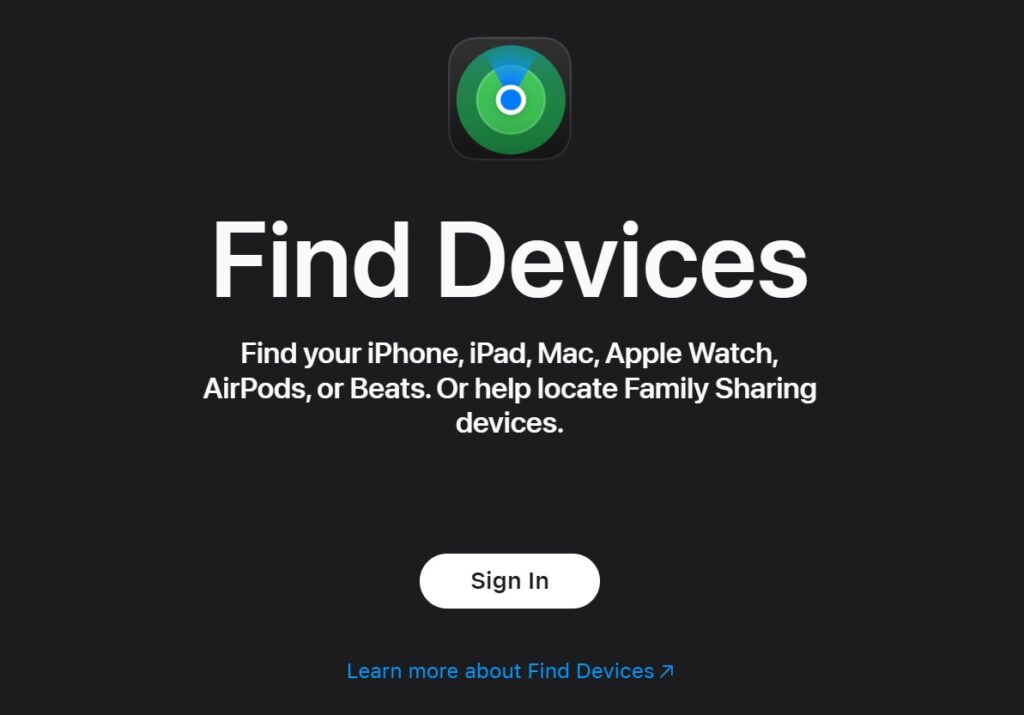
When you log in to icloud.com/find and search for your phone, you’re pulling the last known check-in from Apple’s servers and displaying it on a map.
The clever part? Even when your iPhone is offline, it doesn’t disappear from the grid.
Apple’s Find My network — a crowd-sourced mesh of hundreds of millions of Apple devices — can detect your iPhone’s Bluetooth signal and relay its approximate location back to you anonymously and encrypted.
Your phone quietly pings nearby iPhones, iPads, and Macs, and those devices silently forward the signal without anyone knowing. It’s like having a city-wide grid of informants, all working invisibly on your behalf.
Step 1: Enable Find My on Your iPhone Before You Lose It
This is the section most guides skip — setting it up before an emergency. You cannot enable Find My after your phone is missing. Do this right now.
How to Turn On Find My iPhone
“Send Last Location” is one of the most underused settings on any iPhone. It saved my phone once when the battery died before I could check the map — the last GPS ping led me right to it.” — AppleHeadlines Senior Editor
That last toggle — Send Last Location — is critical. It works in the background, requires no action from you, and could be the difference between recovering a dead phone and losing it forever. None of the top Apple support guides give this the emphasis it deserves.
Step 2: How to Use Find My iPhone via iCloud.com
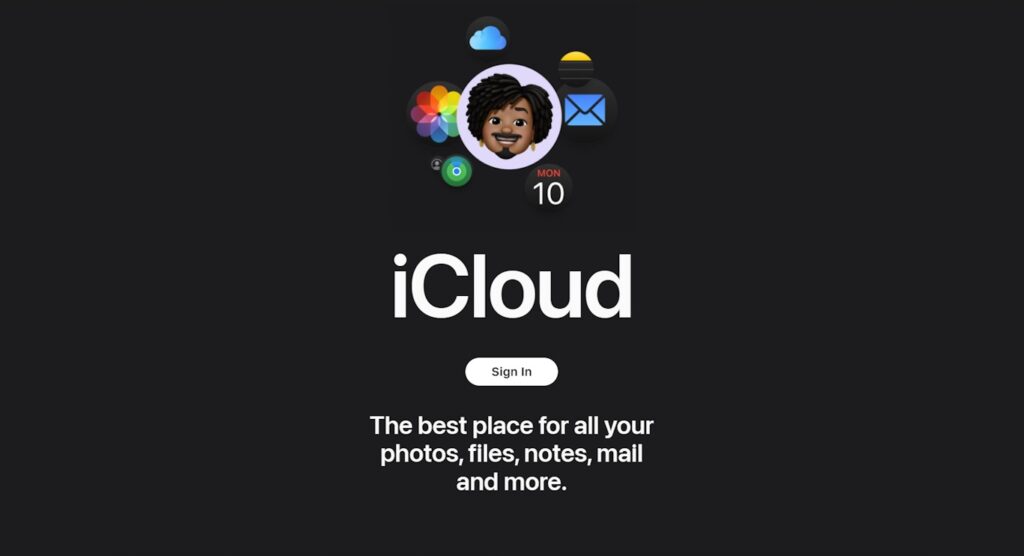
Whether you’re on a friend’s laptop, a work PC, or any device that isn’t yours, iCloud.com Find My iPhone works from any modern browser. No app download needed.
iCloud Find My iPhone Login — Step by Step
What the Status Labels Mean
| Status | What It Means |
|---|---|
| Online (Green) | iPhone is on, connected, and location is current. |
| Offline (Gray) | iPhone is off or has no connection. Shows last known location. |
| No Location Available | Find My was turned off, or device has never checked in. |
| Pending | A command (like Lost Mode) was sent and is waiting to execute when the device reconnects. |
Step 3: Real-Time Actions You Can Take Remotely
Once you’ve located your device on the iCloud Find My iPhone map, you have four powerful actions available:
Play Sound
Lost Mode
Mark As Lost (vs. Erase)
Enabling Lost Mode is almost always the smarter first move over erasing. Here’s why: once you erase the device, you can no longer track its location. If law enforcement is involved, a live GPS coordinate is far more useful than a blank device.
Erase iPhone
💡 Expert Insight: The “Notify When Found” Feature
Most users don’t know about this. When your iPhone shows as offline, instead of refreshing the map every five minutes, click your device name and look for “Notify When Found.“
Toggle it on. Apple will send you an email the moment your iPhone reconnects to a network and its location is updated — whether that’s in 10 minutes or 3 days. This works silently in the background. You can close your browser and go about your day.
Case Study: How Find My iPhone Helped Recover a Stolen Phone in Chicago
In October 2025, a Chicago-area user — we’ll call her Maya — had her iPhone 15 Pro snatched at a transit station.
Within 4 minutes of the theft, she used a coworker’s Android phone to log into icloud.com find and enable Lost Mode. The device showed as online, moving east on the Blue Line.
Maya shared the live location with Chicago PD using a screenshot of the iCloud Find My iPhone last location on the map. Officers were able to intercept the suspect at the next station stop. The phone was recovered intact, data untouched.
The key factors in the recovery: Lost Mode was activated before the thief thought to power it off, and Send Last Location had already pinged before the battery drained to 5%. Without those two things, the outcome would have been different.
What to Do When Find My Shows Your iPhone as Offline
iCloud Find My iPhone offline is one of the most stressful messages you’ll see on that map. Here’s how to interpret it, and what to do.
Why Your iPhone Shows as Offline
What You Can Still Do
How to Use Find My iPhone from the Find My App (Not Just iCloud.com)
If you have access to another Apple device — even a borrowed iPad — the native Find My app gives you more real-time data than icloud.com/find in a browser.
Steps to Find Your Phone from Another iPhone or iPad
The Find My app also integrates with AirDrop Precision Finding on iPhone 11 and later models — if you’re within Bluetooth range, your phone can actually guide you to within a few feet of the device using the Ultra Wideband chip.
How to Remove a Device from Find My (After Selling or Trading In)
If you’re selling your iPhone, giving it to a family member, or sending it in for trade-in, you must remove it from Find My first. This disables Activation Lock and allows the new owner to activate the device.
Option A: Remove via the iPhone Itself
Option B: Remove via iCloud.com (For a Device You No Longer Have)
This is the method documented in Apple’s official iCloud guide for removing devices remotely:
Important: You can only remove a device from iCloud remotely if it is already offline or has been erased. A currently active, online device must be removed directly from its own Settings app. This is by design — it prevents someone else from remotely removing your devices.
Troubleshooting: What If Find My Isn’t Working?
Problem: “No Location Available” for My iPhone
Possible causes and fixes:
Problem: Find My Shows a Location That’s Wrong
Problem: I Can’t Sign In to iCloud.com
Problem: Lost Mode Command Shows as “Pending”
Problem: Family Member’s Phone Not Showing in My Find My
Security & Privacy: What Apple Can (and Can’t) See
A common concern: does Apple track your location through Find My? The answer is nuanced.
Apple stores your device’s last known location temporarily to serve it to you when you request it.
Apple has stated that location data relayed through the Find My network (via other nearby devices) is end-to-end encrypted and anonymous. Apple cannot read it, and neither can the device that relayed it.
Your location is visible to:
- You, when logged into your Apple ID.
- Family Sharing members you’ve explicitly approved.
- No one else, including Apple employees.
Frequently Asked Questions
Q1: Can I track my iPhone location using iCloud Find My iPhone if the phone is dead?
If Send Last Location was enabled before the battery died, yes — you’ll see the last GPS ping on the map. If it wasn’t enabled, you’ll see the last location from when the phone last checked in with any network connection, which could be hours earlier.
Q2: Does iCloud Find My iPhone work if the SIM is removed?
Yes, if the phone connects to a Wi-Fi network or is detected by another nearby Apple device via Bluetooth, the Find My network can still report its approximate location. The SIM card is not required.
Q3: What’s the difference between Find My iPhone on icloud.com and the Find My app?
The iCloud.com Find My iPhone browser version gives you the core tools: map, Lost Mode, Play Sound, and Erase. The native Find My app on Apple devices adds real-time Bluetooth precision finding, AirTag tracking, and sometimes faster location refreshes via peer-to-peer data.
Q4: Will the person who has my phone know I’m tracking it?
When Lost Mode is active, the lock screen shows your custom message. The person can see that the phone is in Lost Mode. However, they cannot see that you are actively watching the map — and they cannot disable Find My without your Apple ID password.
Q5: What should I do if Find My shows my phone at an address I don’t recognize?
Do not go there yourself. Share the location with local law enforcement and let them handle it. Apple recommends against confronting anyone alone. File a police report first, provide the screenshot of the iCloud Find My iPhone last location, and let authorities act on it.
References & Sources
- Apple iCloud User Guide — Find My: support.apple.com/guide/icloud
- Apple iCloud — Remove Devices from Find My: support.apple.com
- Apple iCloud — Remove a Device from Find Devices on iCloud.com: support.apple.com
- Apple Support — Restore & Account Recovery: support.apple.com restore
Disclaimer
The information in this article is provided for educational and informational purposes only. AppleHeadlines.com is an independent publication and is not affiliated with, endorsed by, or sponsored by Apple Inc.
Product features, interface designs, and iCloud functionality described here are subject to change by Apple at any time.
Always verify current features at apple.com or support.apple.com. This article does not constitute legal advice. If your device has been stolen, contact local law enforcement. Do not attempt to retrieve a stolen device without police assistance.
Ready to protect your iPhone right now? Open Settings, tap your name, and make sure Find My is turned on. Takes 30 seconds. Could save your phone, your data, and your peace of mind.
Have a question not covered here? Drop it in the comments — we read every one.

T’kal is the lead strategist and developer behind Apple Headlines. With a background in digital marketing and web development, he specializes in technical Apple troubleshooting, software news, and hardware rumors. T’kal focuses on delivering high-authority tech content that bridges the gap between Apple enthusiasts and the latest industry innovations.