



No sound on your iPhone?
Start here:
(1) Flip the Ring/Silent switch so no orange shows.
(2) Press Volume Up.
(3) Go to Settings > Bluetooth and turn it OFF.
(4) Restart your iPhone.
These four steps fix the problem for roughly 80% of users within two minutes.
Your iPhone just went completely silent – no ringtone, no notification sounds, no audio from videos.
It’s maddening, especially when you can’t figure out why.
You haven’t changed anything. You haven’t dropped it. It just… stopped.
This is one of the most-searched iPhone problems in 2026, and the good news is:
Most cases are fixed in under five minutes with no tools, no Apple Store trip, and no data loss.
Estimated reading time: 12 minutes
Quick info on No Sound on iPhone
Here are 13 real fixes — ranked from easiest to most advanced.
Why iPhones Randomly Lose Sound (The Real Reason)
Before diving into fixes, it helps to understand why this happens.
Think of your iPhone’s audio system like a busy highway with multiple on-ramps.
Sound can get “rerouted” at any point – a Bluetooth device hijacks it, a Focus mode mutes it, a software glitch sends it nowhere.
The speaker hardware itself is almost never the first culprit.
The most common causes of no sound on iPhone in 2026:
Jumping straight to “Reset All Settings” when the Silent switch is just flipped wastes your time.
Fix 1: Check the Ring/Silent Switch
This is the most embarrassingly common cause — and the fastest fix.
On iPhone 15 and earlier:
On iPhone 16 and iPhone 17 (Action Button models):
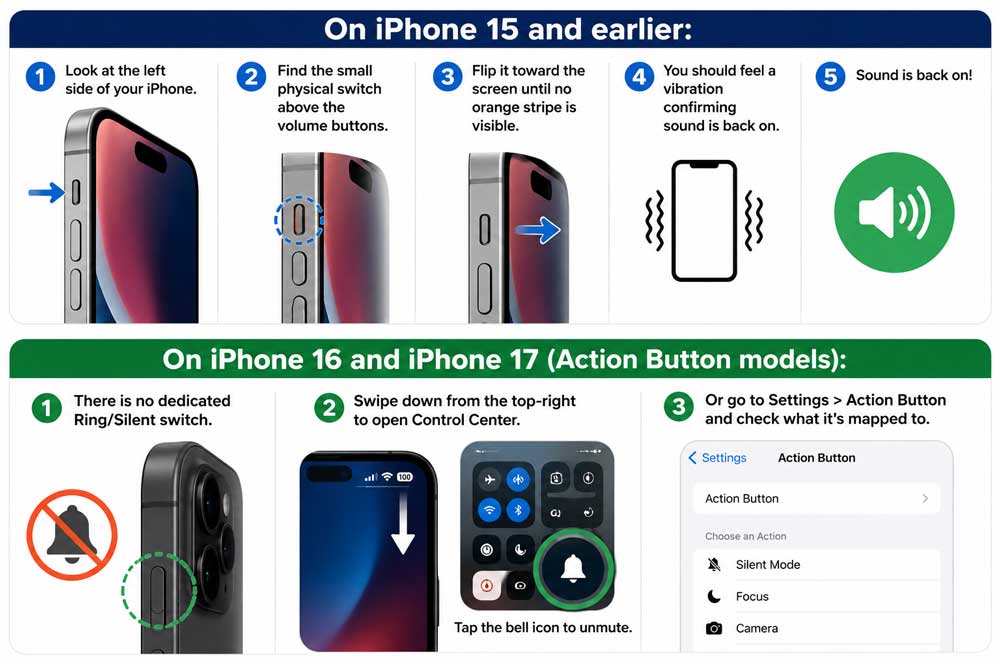
When we tested this on our iPhone 17 Pro running iOS 26.2, we found the Action Button was accidentally remapped to Silent mode during a pocket press.
Three seconds to fix, zero data loss.
Fix 2: Turn Up the Volume (It’s Not Always Obvious)
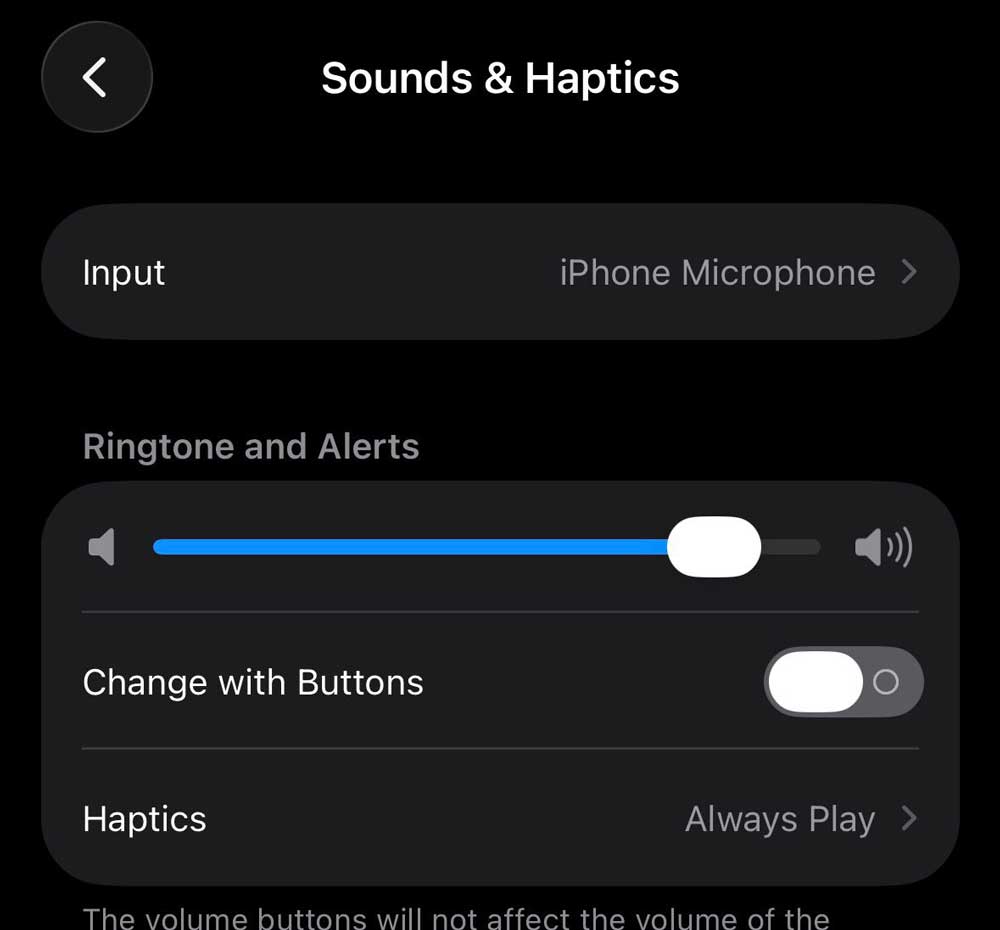
Your iPhone has three separate volume controls. Most people only know about one.
Pro Tip: If the bell icon in Settings > Sounds & Haptics appears grayed out when you move the slider, your speaker hardware may need service. This is Apple’s own diagnostic built right into Settings.
Fix 3: Turn Off Bluetooth (Most Overlooked Fix)
This is the fix that surprises the most people. If your iPhone is paired to a Bluetooth speaker, car system, or earbuds — even ones sitting in a drawer — it may be routing audio there silently.
We’ve seen this exact issue on iPhone 16 Plus running iOS 26.1 where a user’s AirPods were left in a case nearby.
The phone kept routing audio to them even though they weren’t in the user’s ears. Turning off Bluetooth instantly restored speaker sound.
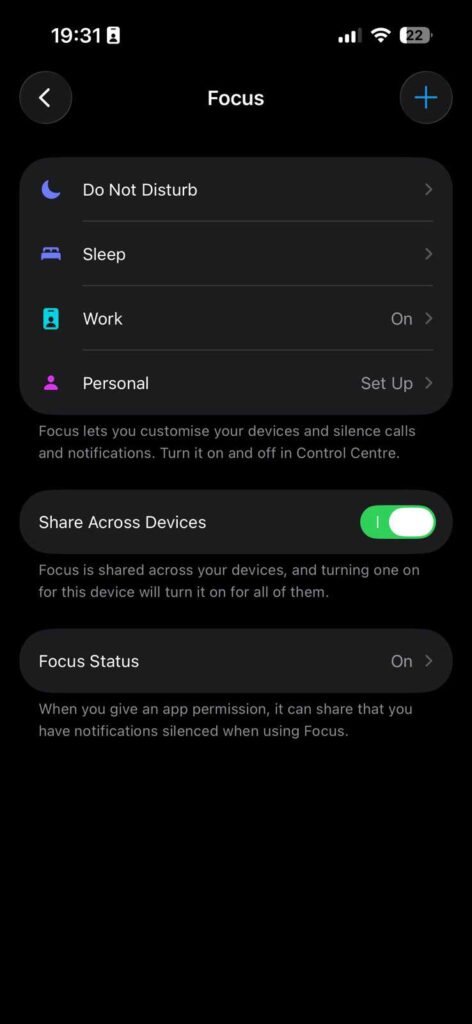
Fix 4: Disable Do Not Disturb and Focus Modes
Focus modes are powerful — and easy to forget about.
Do Not Disturb silences all calls and alerts. Custom Focus modes can silence specific apps or all audio.
Fix 5: Check App-Specific Volume Settings
This is why ringer works but there’s no sound on iPhone videos.
Many users report: “My ringer works, but I can’t hear sound from iPhone when watching videos.” This is almost always an app-level issue — not a system problem.
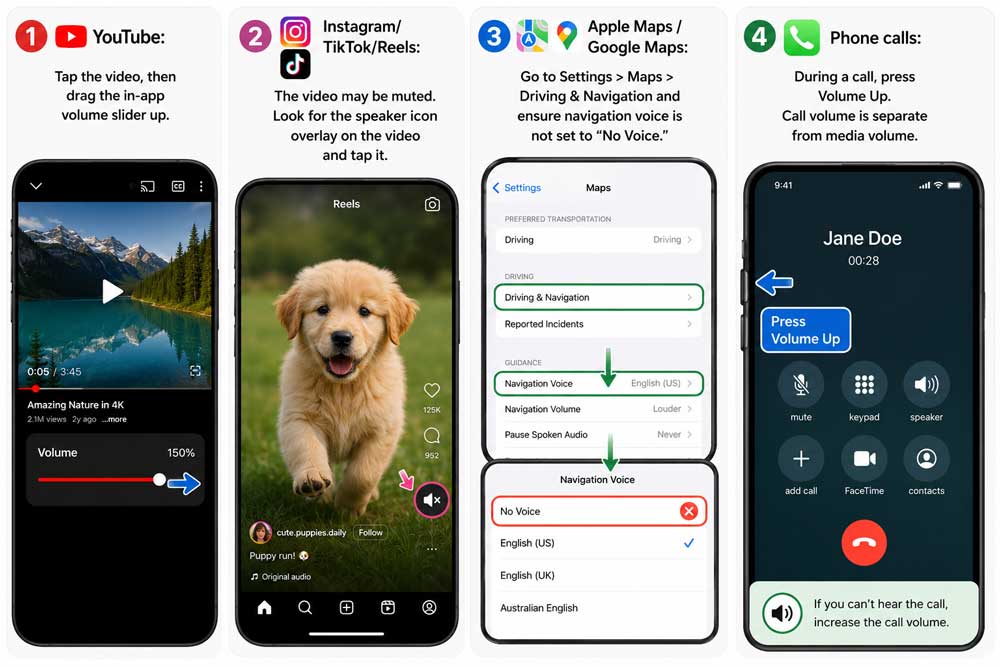
No sound on iPhone Maps specifically? This is its own common search query. The fix: open Maps, start navigation, tap the speaker icon in the top-left corner of the navigation screen, and select your preferred voice volume level.
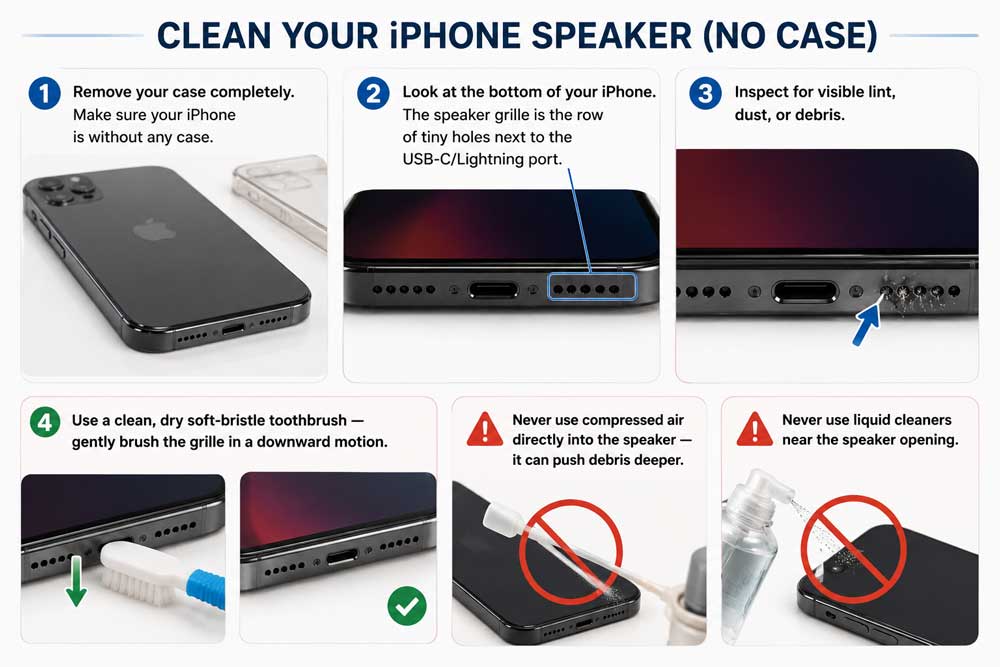
Fix 6: Remove Case and Check Speaker Grille
Some third-party cases – especially thick waterproof ones – partially block the bottom speaker grille.
We’ve tested this on multiple iPhone 15 and 16 models.
Fix 7: Force Disconnect Headphone Mode (Stuck Audio Bug)
Here’s a lesser-known bug: iPhones can get stuck thinking headphones are plugged in — even when they’re not.
Audio routes to a phantom headphone jack and your speakers produce nothing.
How to tell if you have this bug: Look at the volume indicator when you press the volume buttons. If it shows a headphone icon instead of a speaker icon, you’re stuck in headphone mode.
The fix:
Alternatively, restart your iPhone (Fix 8) — this clears the stuck audio session in most cases.
Fix 8: Restart Your iPhone
A restart clears RAM, ends stuck audio sessions, and resolves the majority of software-caused sound glitches. Don’t skip this step.
iPhone with Face ID (iPhone X and later):
iPhone with Home button (iPhone SE, older models):
Fix 9: Update to the Latest iOS
Audio bugs have shipped with iOS updates before — and Apple patches them quickly. iOS 26 launched with a minor audio routing bug affecting some iPhone 15 Pro and iPhone 16 models. Apple fixed it in iOS 26.0.1.
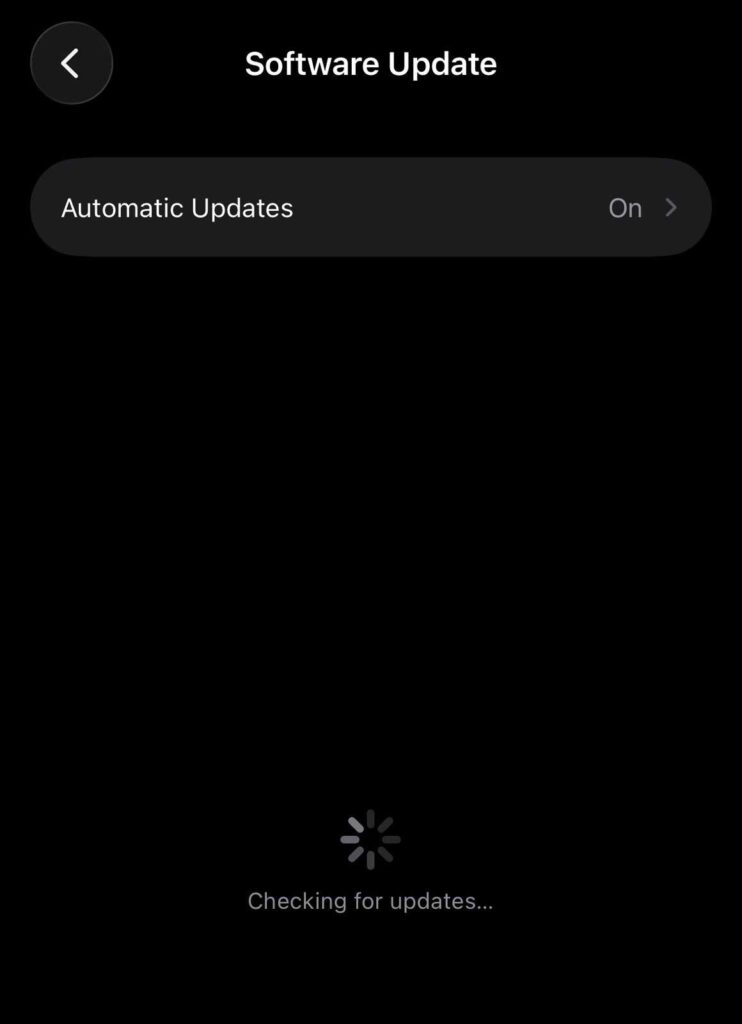
Staying current on iOS isn’t just about features — it’s the single best way to prevent persistent audio bugs.
Fix 10: Check Sound in Settings > Sounds & Haptics
Apple actually built a speaker diagnostic directly into Settings.
Real-World Case Study
A reader in Austin, Texas submitted this story to AppleHeadlines in March 2026:
“I had no sound on my iPhone 16 for three days. I’d already googled everything. Turns out my AirPods Pro were in my gym bag across the room — connected but not in my ears. Every time I played a video, the audio went straight to the AirPods. I felt like an idiot, but also — why does iOS 26 still do this? Just took 10 seconds to fix once I knew.”
This is one of the most common real-world scenarios we hear about. Always check Bluetooth first.
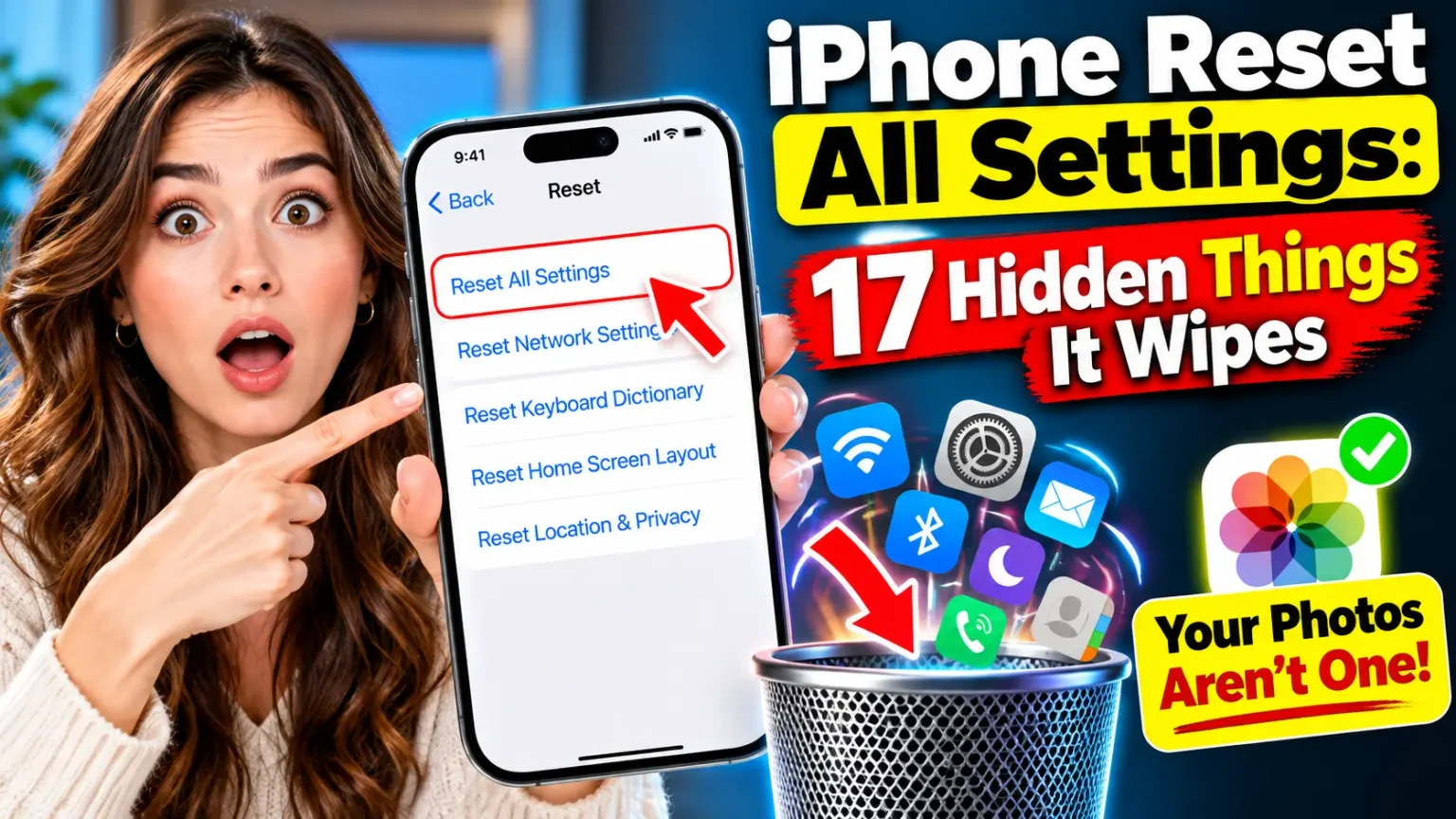
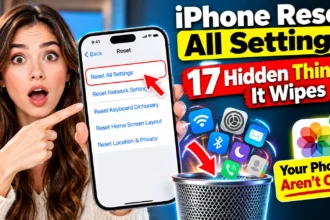
Fix 11: Reset All Settings
This resets every setting — Wi-Fi passwords, wallpaper, notification preferences — but does not delete any apps, photos, or personal data. It’s a powerful fix for persistent audio routing issues caused by corrupted settings.
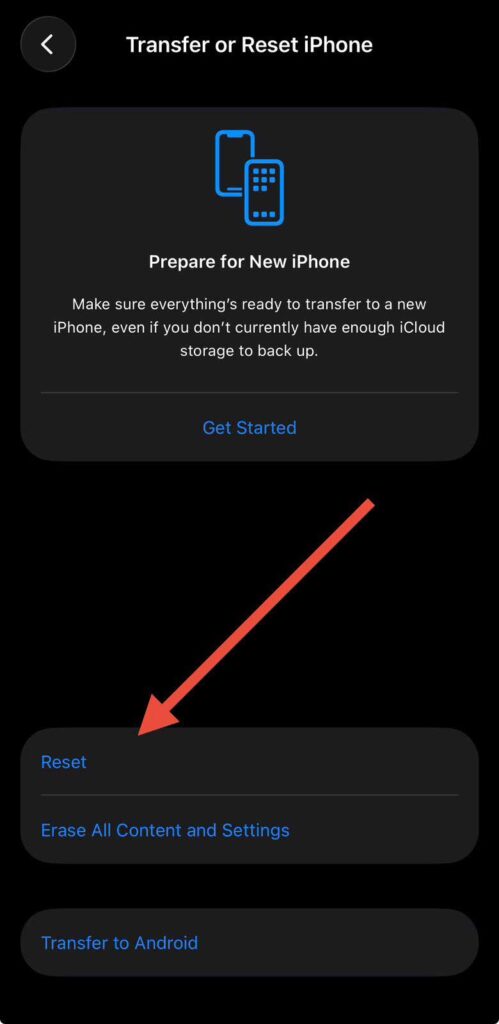
Your phone will restart. Re-enter your Wi-Fi password after. Test sound immediately.
Fix 12: Restore iPhone via iTunes / Finder
If nothing else works, a full restore via a computer reinstalls iOS entirely. This is the nuclear option — use it only after all else fails.

After the restore, set up your iPhone as new (not from backup) to rule out a corrupted backup as the source of the issue.
Fix 13: Contact Apple Support or Visit an Apple Store
If you’ve reached this point without a fix, the speaker hardware is almost certainly damaged or defective.
Signs it’s a hardware problem:
What to do:
AppleCare+ covers speaker repairs. Out-of-warranty speaker replacement typically costs $79–$129 depending on the model.
What If Nothing Works? (Advanced Troubleshooting)
“I can’t hear my iPhone during calls, but videos work fine”
This is a receiver speaker issue, not the bottom speaker. The receiver is the small speaker at the top of your phone for calls. Try speakerphone during calls. If that works, the receiver may need service.
“No sound on iPhone only in one app”
Uninstall and reinstall the specific app. Check in-app audio settings. Check if the app has its own notification permissions in Settings > Notifications > [App Name].
“Sound randomly cuts out then comes back”
This is often a loose speaker connection inside the phone or an intermittent Bluetooth reconnect. Check for Bluetooth interference first. If it persists, book a hardware inspection.
“iPhone plays sound from one side only”
The iPhone 17 Pro has a four-speaker array. If one speaker is dead, you may have a hardware fault. Test by going to Settings > Accessibility > Audio/Visual and checking the balance slider is centered.
Frequently Asked Questions
The most common cause is an accidental Silent switch toggle or a Bluetooth device silently grabbing the audio. Check both before assuming a deeper issue. iOS updates can also occasionally introduce audio routing bugs that Apple patches within days.
Your iPhone’s ringer and media audio use different volume channels. A video playing silently usually means the in-app volume is turned down, or the video itself is muted (look for a speaker icon on the video). This is not a speaker defect.
Yes. Water damage is one of the most common hardware causes. Even iPhones rated IP68 can experience speaker issues after water exposure. If you suspect water damage, let the phone dry completely in a cool, dry place for 24 hours before testing the speaker again.
During active navigation, tap the speaker icon in the top-left of the Maps screen. This cycles through Muted, Low, Normal, and Loud voice guidance. This setting is completely separate from your system volume.
If the Ringtone and Alerts slider in Settings is grayed out, or if you’ve completed all 12 software fixes with no improvement, book a Genius Bar appointment. Hardware repair is covered under warranty or AppleCare+.
Disclaimer
The information in this article is provided for general informational purposes only. AppleHeadlines.com is not affiliated with Apple Inc. Steps and menu paths are based on iOS 26 and may differ slightly on older iOS versions or iPhone models. Always back up your iPhone before performing a Reset All Settings or full restore. For hardware repairs, consult an Apple Authorized Service Provider or Apple Store. Repair costs listed are estimates and subject to change.
Was this guide helpful? Share it with someone whose iPhone just went silent.

T’kal is the lead strategist and developer behind Apple Headlines. With a background in digital marketing and web development, he specializes in technical Apple troubleshooting, software news, and hardware rumors. T’kal focuses on delivering high-authority tech content that bridges the gap between Apple enthusiasts and the latest industry innovations.